

Introduction:
In the world of architecture and interior design, the use of stone has always held a special place. It exudes elegance, strength, and timelessness. However, traditional stone installations can be costly and time-consuming, often requiring structural modifications. To address these challenges, stone veneer panels have emerged as a versatile and practical alternative. This article explores the various aspects of stone veneer panels, including their composition, installation methods, benefits, and applications.
Section 1: Understanding Stone Veneer Panels
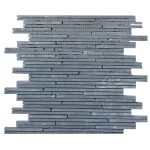
1.1 What are Stone Veneer Panels?
Stone veneer panels are thin slices of natural or manufactured stone that replicate the look and feel of full-sized stones. They are typically around 1-2 inches thick and can be easily installed on various surfaces, both interior and exterior. Stone veneer panels are available in a wide range of colors, textures, and patterns, allowing designers to achieve the desired aesthetic appeal.
1.2 Composition of Stone Veneer Panels
Stone veneer panels are made using two primary types of materials: natural stone and manufactured stone. Natural stone veneers are sourced directly from quarries and cut into thin slices. These natural stones can include granite, limestone, slate, travertine, and more. On the other hand, manufactured stone veneers are created using a combination of cement, aggregates, and pigments, molded to resemble natural stones.
Section 2: Installing Stone Veneer Panels
2.1 Preparing the Surface
Before installing stone veneer panels, it is crucial to ensure that the surface is clean, dry, and structurally sound. Any loose paint, dirt, or debris must be removed, and the surface should be free from moisture. Proper surface preparation is essential for achieving a long-lasting and durable installation.
2.2 Adhesive and Mortar Options
The choice of adhesive or mortar depends on the specific project requirements and the type of stone veneer panels being used. For interior applications, thinset mortar is commonly used, while exterior installations may require a polymer-based adhesive or mortar. It is crucial to consult with professionals or manufacturers to determine the most suitable adhesive for each project.
2.3 Installing Stone Veneer Panels
Stone veneer panels can be installed using various methods, such as the direct adhered method, screw-in method, or the interlocking panel system. The direct adhered method involves applying adhesive or mortar directly to the back of the stone panels and pressing them onto the prepared surface. The screw-in method involves securing the stone veneer panels to a framework using screws. The interlocking panel system uses specially designed panels that fit together like puzzle pieces, creating a seamless appearance.
2.4 Grouting and Sealing
After the stone veneer panels are installed, grouting can be done to fill any gaps between the panels. Grouting not only enhances the aesthetic appeal but also provides additional stability to the installation. Once the grout has dried, the stone veneer panels should be sealed to protect against moisture and staining. Proper sealing is vital for maintaining the appearance and longevity of the stone veneer panels.
Section 3: Benefits of Stone Veneer Panels
3.1 Cost-Effective Alternative
Compared to full-sized natural stones, stone veneer panels offer a more cost-effective solution. They require fewer materials and labor, reducing both the initial installation cost and ongoing maintenance expenses. Stone veneer panels provide the same visual impact as natural stones but at a fraction of the price.
3.2 Versatile Design Options
Stone veneer panels are available in an extensive range of colors, textures, and patterns. This versatility allows designers and homeowners to achieve a wide variety of aesthetics, from classic and rustic to modern and contemporary. The ability to mix and match different stone veneer panels further expands the design possibilities.
3.3 Lightweight and Flexible
One of the significant advantages of stone veneer panels is their lightweight nature. Unlike full-sized stones, which can be heavy and require additional structural support, stone veneer panels can be installed on a wide range of surfaces without compromising the structural integrity. Their flexibility enables them to be used in applications that would not be feasible with traditional stone installations.
3.4 Durability and Longevity
Stone veneer panels offer exceptional durability, capable of withstanding various weather conditions and wear over time. Whether used for interior or exterior applications, they are resistant to fading, cracking, and chipping. With click over here now , stone veneer panels can maintain their beauty and structural integrity for decades.
Section 4: Applications of Stone Veneer Panels
4.1 Exterior Facades
Stone veneer panels are widely used to enhance the exterior facades of buildings. They provide a visually striking and durable finish, adding an element of sophistication and prestige. Whether applied to entire facades or as accent features, stone veneer panels can transform the external appearance of any structure.
4.2 Interior Walls and Fireplaces
In interior design, stone veneer panels are commonly used to create feature walls and accentuate fireplaces. The natural textures and colors of the stone veneer panels add depth and warmth to any space. They can be installed in living rooms, bedrooms, kitchens, and other areas, creating a focal point that exudes elegance and style.
4.3 Commercial Spaces
Stone veneer panels are also extensively used in commercial spaces, such as hotels, restaurants, and retail stores. They help create a welcoming and luxurious atmosphere, leaving a lasting impression on customers and guests. Stone veneer panels can be applied to reception areas, lobbies, bar counters, and other areas, enhancing the overall ambiance of the space.
Conclusion:
Stone veneer panels offer a practical and aesthetically pleasing alternative to traditional stone installations. Their versatility, durability, and cost-effectiveness make them a popular choice among architects, designers, and homeowners alike. Whether used for exterior facades, interior walls, or commercial spaces, stone veneer panels provide a timeless elegance that elevates the overall design. With their easy installation and maintenance, stone veneer panels allow anyone to enjoy the beauty of natural stone without the associated challenges.